Front row for everyone. Why inclusive events are better events
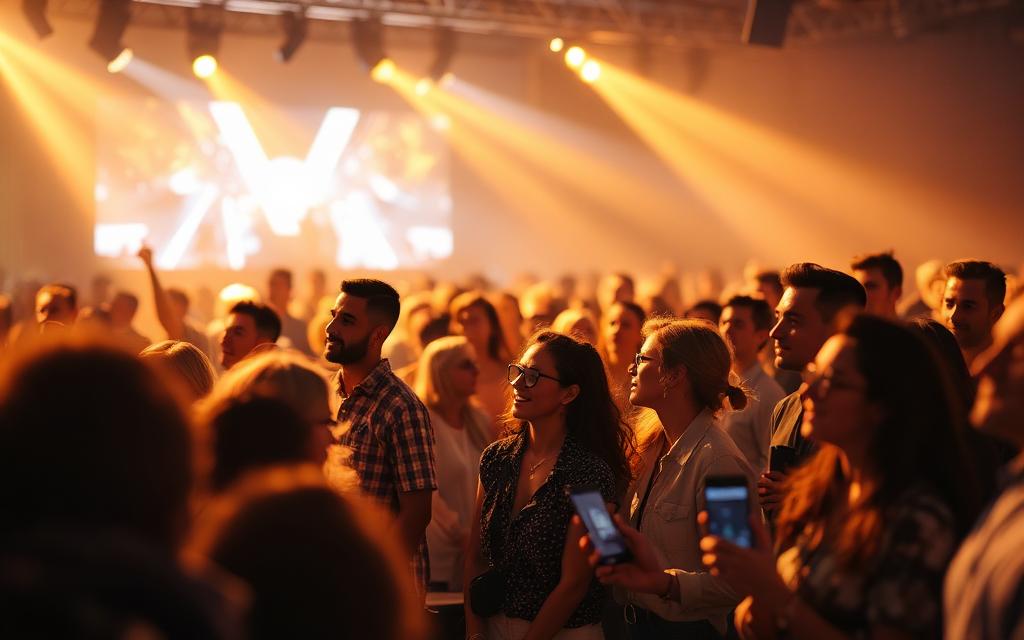
The event industry is at a turning point. For decades, accessibility was treated as a special request, a box you could check on a form. But the future belongs to events that think about inclusion from the ground up. Not because they have to, but because they understand that an accessible event is a better event.
The change begins with a realization: accessibility does not concern "the others." It concerns all of us. Every person experiences situations in their life where they depend on support, whether through a temporary injury, declining sensory ability in old age, or simply through a language barrier in a foreign country. Universal design that considers this reality makes events not just more accessible, but fundamentally better.
The technology is here. What required a truck full of equipment, a team of specialists, and a six-figure budget ten years ago can now be implemented with an app and an internet connection. Live audio directly to personal devices, real-time transcription, AI-powered translation into over 30 languages, all of this is not future music, but works today, at events of any size.
What is also changing: audience expectations. A new generation of event attendees takes inclusion for granted. They do not ask whether an event is accessible, but why it is not. They choose events based on how welcome everyone feels, not just the majority.
For event organizers, this represents an opportunity. Those who understand accessibility as part of their brand identity now position themselves not only as responsible but as future-proof. Events like the Eurovision Song Contest, scientific conferences at ETH, or cultural festivals across Europe show: inclusion and first-class event quality are not contradictions, they depend on each other.
The community around accessibility is growing. People with disabilities, event organizers, technology providers, and accessibility experts work together to define standards that go beyond the legal minimum. It is a movement that is not imposed from above, but grows from within.
The future of live events is inclusive. Not as a trend, not as a feature, but as a fundamental attitude. Front row for everyone, that is not just a promise, but an invitation to be part of this future.