Learning from the Eurovision Song Contest: how large events set the standard
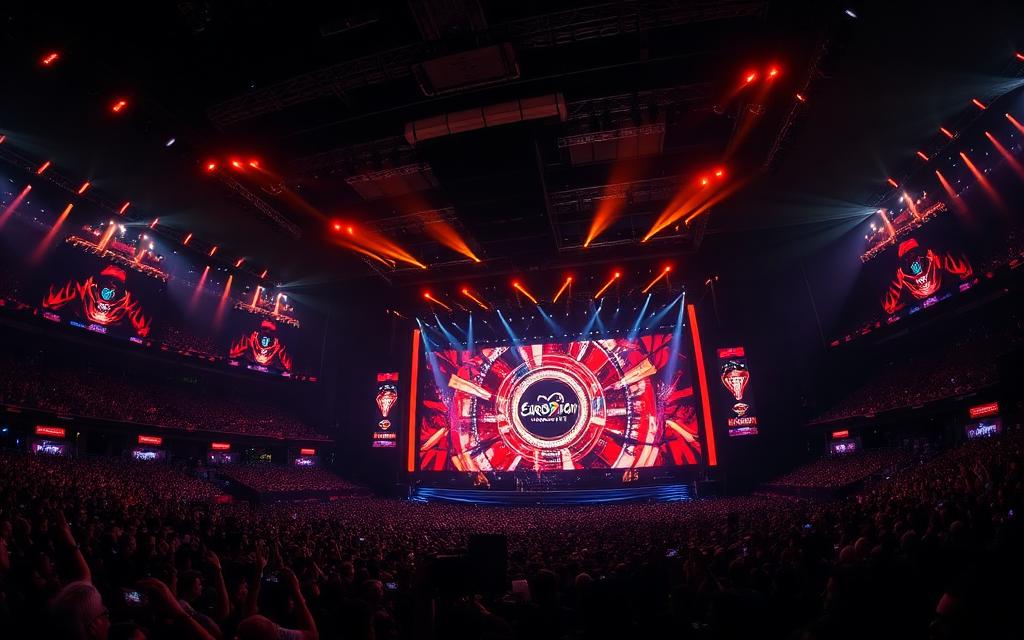
When the Eurovision Song Contest 2025 took place in Basel, accessibility was not a marginal topic but part of the overall concept. 80,000 spectators experienced an event that set new standards for inclusion. What can other event organizers learn from this?
The challenge at large events is immense. Thousands of people, different languages, various needs, and everything must work in real-time. The ESC 2025 showed that this is possible when the right technology is in use. Live audio streaming to hearing aids and smartphones enabled all guests to receive crystal-clear sound, regardless of where they sat in the venue. Real-time transcripts and AI-powered translations made the show accessible for an international audience.
What makes the ESC approach special: accessibility was not treated as a separate service but seamlessly integrated into the event experience. The branding matched, the user interface was intuitive, and usage required neither special devices nor prior knowledge. A smartphone was enough.
This principle can be applied to any event size. ETH Zurich uses similar technology for its lectures and events. The Arosa Humor Festival uses it to make comedy shows accessible to everyone, because humor only works when you understand the joke. The Winterthur Music Festival Weeks prove that accessibility also works in the festival world.
The common denominator of these events: they do not wait until accessibility is legally enforced. They act out of conviction and recognize the added value, for their audience, for their brand, and for the industry as a whole.
What event organizers can concretely take away: plan early, rely on scalable technology that does not require its own hardware, and communicate accessibility as a feature, not as a compliance exercise. The large events demonstrate what every event can adopt, from the local cultural festival to the international conference.
The standard is set. The question is no longer whether accessibility at events is feasible. It is: when will the rest follow?